
Because Food Quality Begins Long Before Packaging
At Basil Bounty Organics, we believe consumers should understand not only what they eat, but also:
- where it comes from
- how it is processed
- how responsibly it is handled
Today, attractive packaging and marketing terms often influence buying decisions more than actual process transparency. But real food quality starts much earlier — at the sourcing, processing, and hygiene stage.
Why Knowing Food Journey Matters
Consumers should understand:
- Where ingredients are sourced
- Whether claims are genuine
- What processing methods are used
- Whether hygiene standards are maintained
- Whether adulteration checks are done
- What machinery and surfaces contact the food
Because terms alone do not guarantee quality.
“Organic” Claim Alone is Not Enough
Words like Organic, Natural, Farm fresh, and Traditional can quickly create trust. But consumers should also ask deeper questions to avoid being misled by branding language:
- Is sourcing transparent?
- Is certification available?
- Are adulteration & quality tests conducted?
Awareness matters more than attractive terminology.
Examples Consumers Should Understand
Understanding the processing journey is vital. Let's look at what you should look for in everyday products:
🛢 Cold Pressed Oils
Consumers should know:
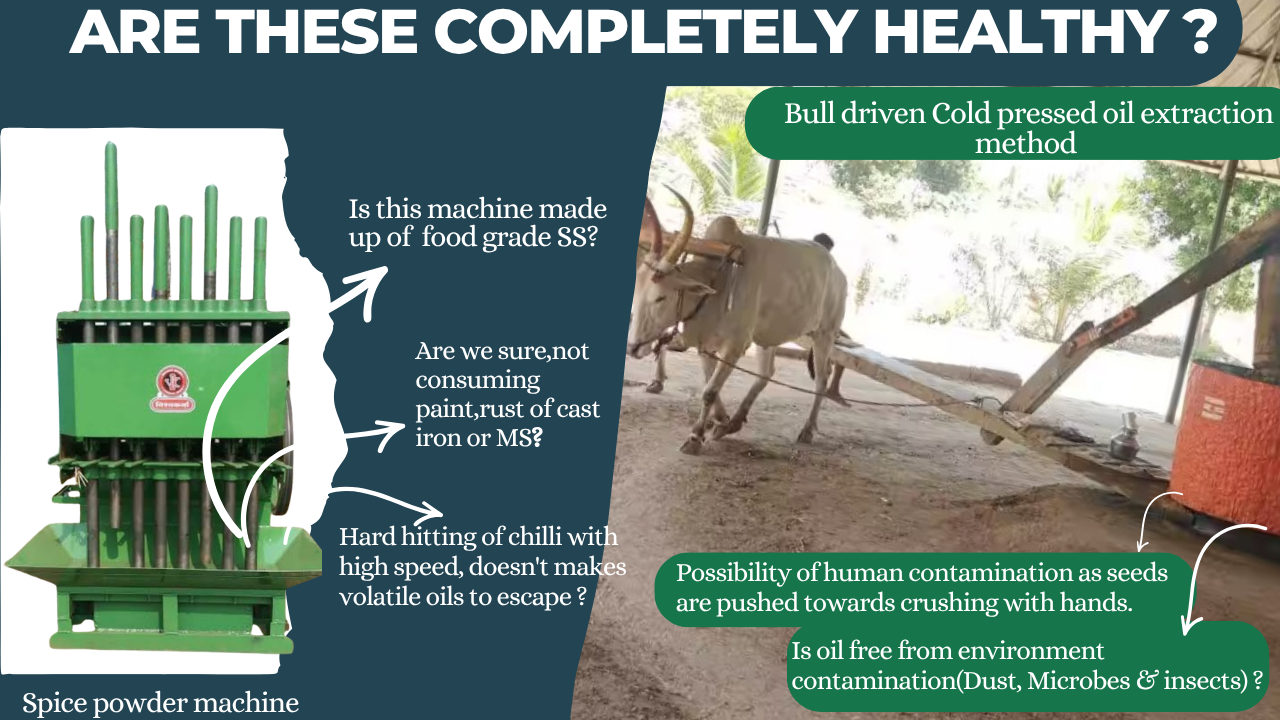
- How seeds are crushed
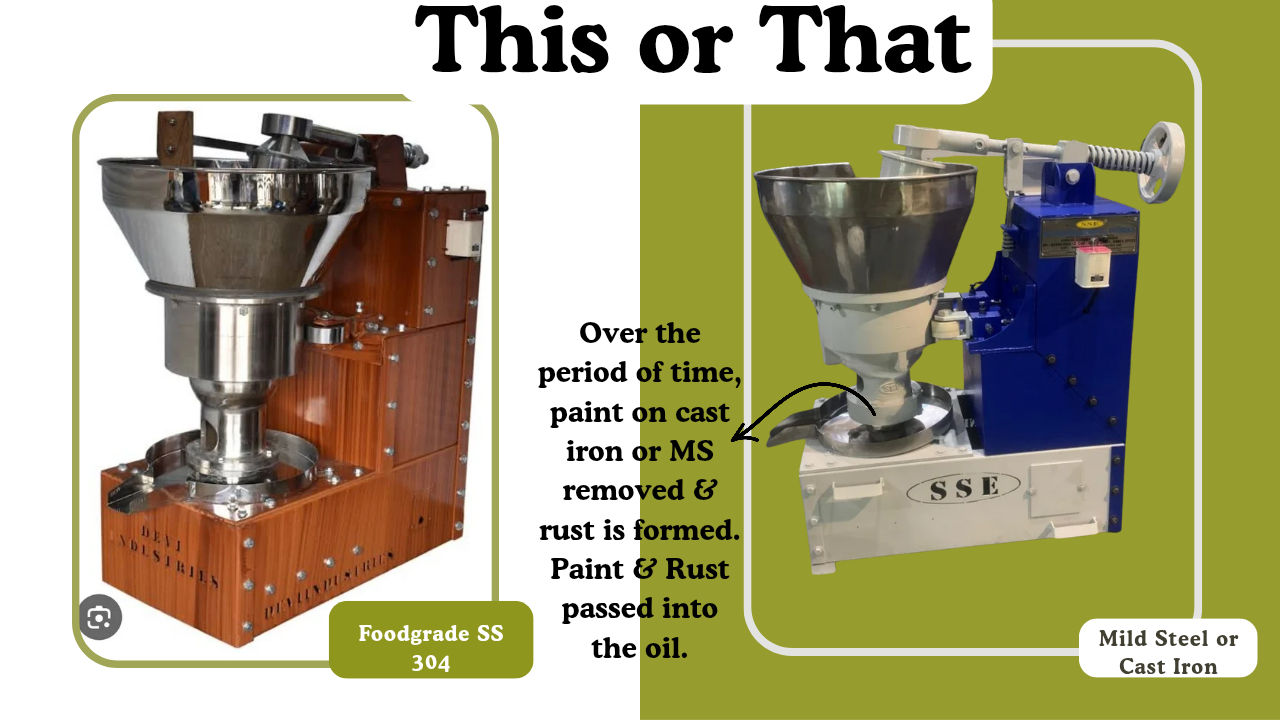
- Whether hygienic food-grade SS machinery is used
- What filtration process is used
- Whether adulteration checks are conducted
- How the oil is stored and tested
🌾 Chakki Atta
Consumers should ask:
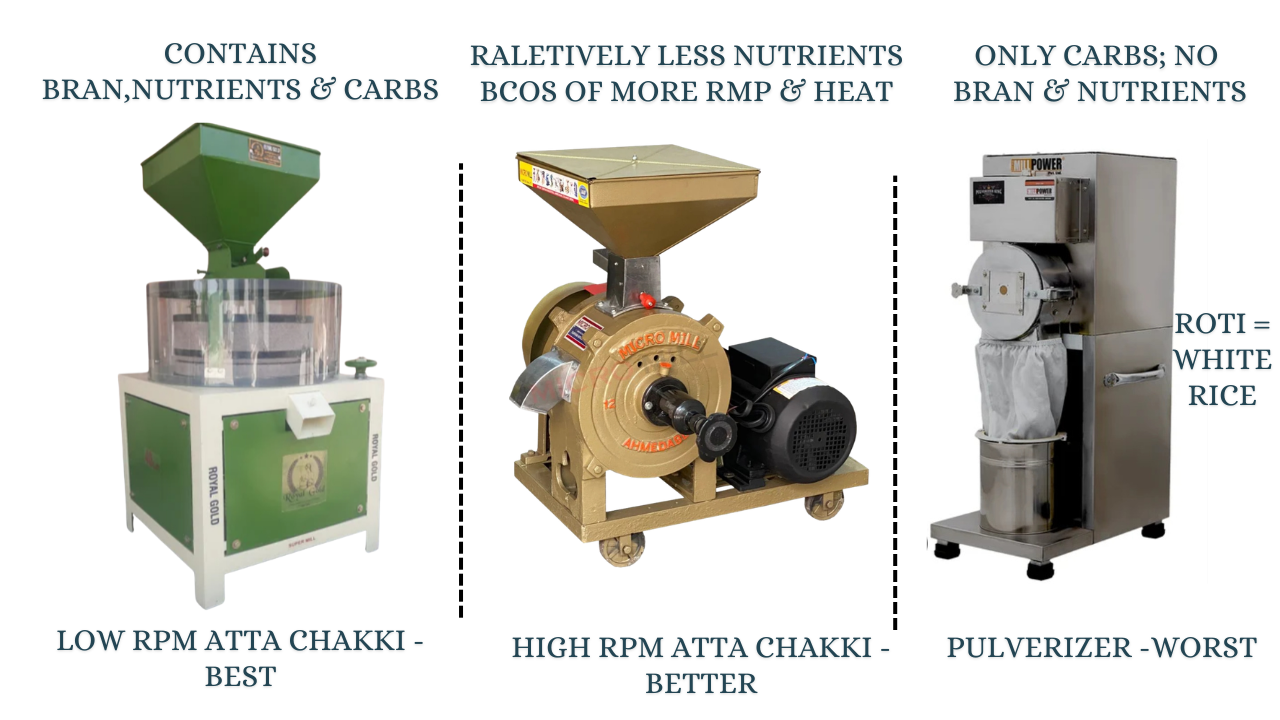
- Is it truly stone-ground?
- Is it processed at low RPM?
- Whether hygienic SS machinery is used
- Is it whole wheat or reconstituted flour?
- Is “chakki” just a marketing term?
🌶 Spices
Consumers should understand:
- Whether traditional low heat processing methods are used
- Whether hygienic SS machinery is used
- Whether adulteration checks are conducted
- Whether artificial colors or additives are added
🍘 Snacks & Processed Foods
Consumers should understand:
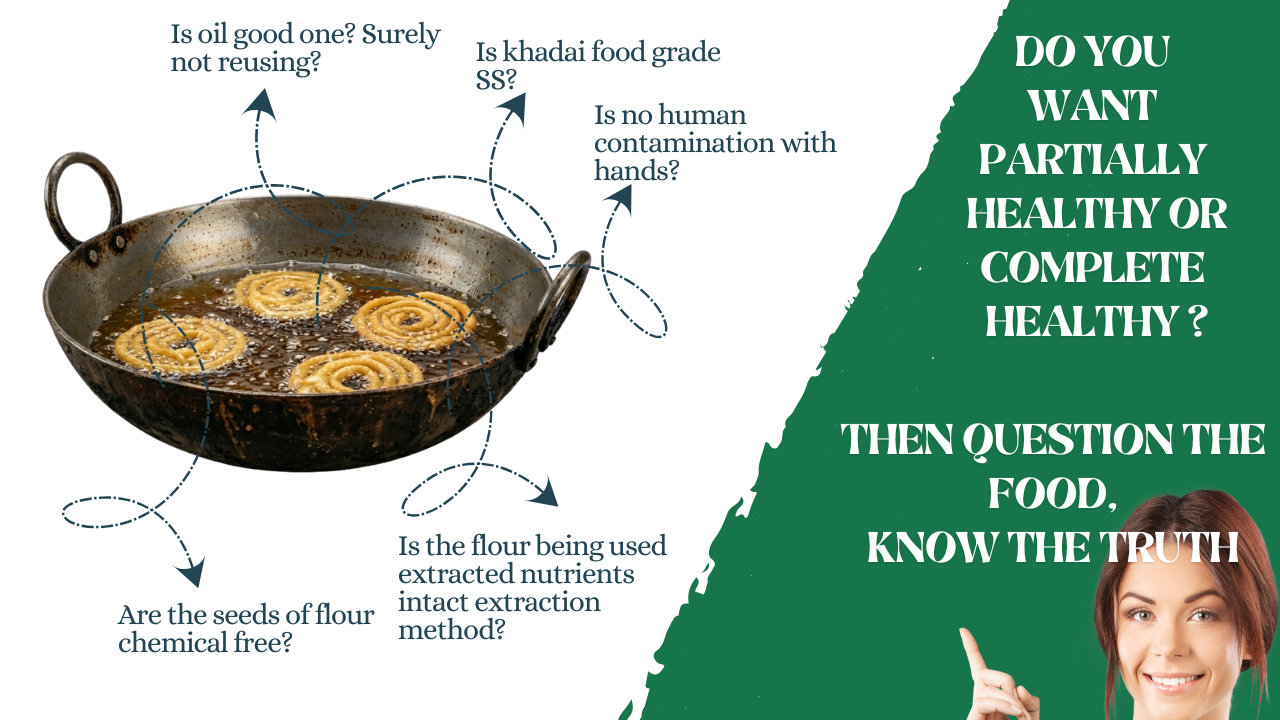
- What oils are used in preparation
- Whether hygienic SS machinery is used
- Whether ingredients are minimally processed
- Whether hygiene standards are maintained
Why Hygiene Environment Matters
Good ingredients alone are not enough. Consumers should also observe:
- Cleanliness of processing area
- Worker hygiene practices
- Machinery maintenance standards
- Clean packaging and storage conditions
Environmental Contamination
Traditional methods may look authentic, but open environments pose risks. For example:
- Oil extraction using bulls in completely open areas exposed to dust, insects, and environmental contaminants.
- Outdoor snack preparation exposed to pollution, flies, moisture, and unhygienic surroundings.
Hygiene and controlled food-processing environments are equally important.
That is why responsible food processing should focus on:
- Hygienic indoor processing
- Controlled handling environment
- Food-grade SS machinery
- Proper cleanliness and maintenance standards
Because food quality depends not only on sourcing, but also on how responsibly food is processed and protected from contamination.
Why This Matters for Families
The food entering a home becomes part of daily nutrition, children’s eating habits, and long-term family health.
That is why consumers should not rely only on:
- Packaging
- Branding
- Influencer marketing
- Emotional claims
Instead, they should understand the actual journey of food.
The Final Verdict
Good food is not defined only by the final product on the shelf.
It is shaped by: